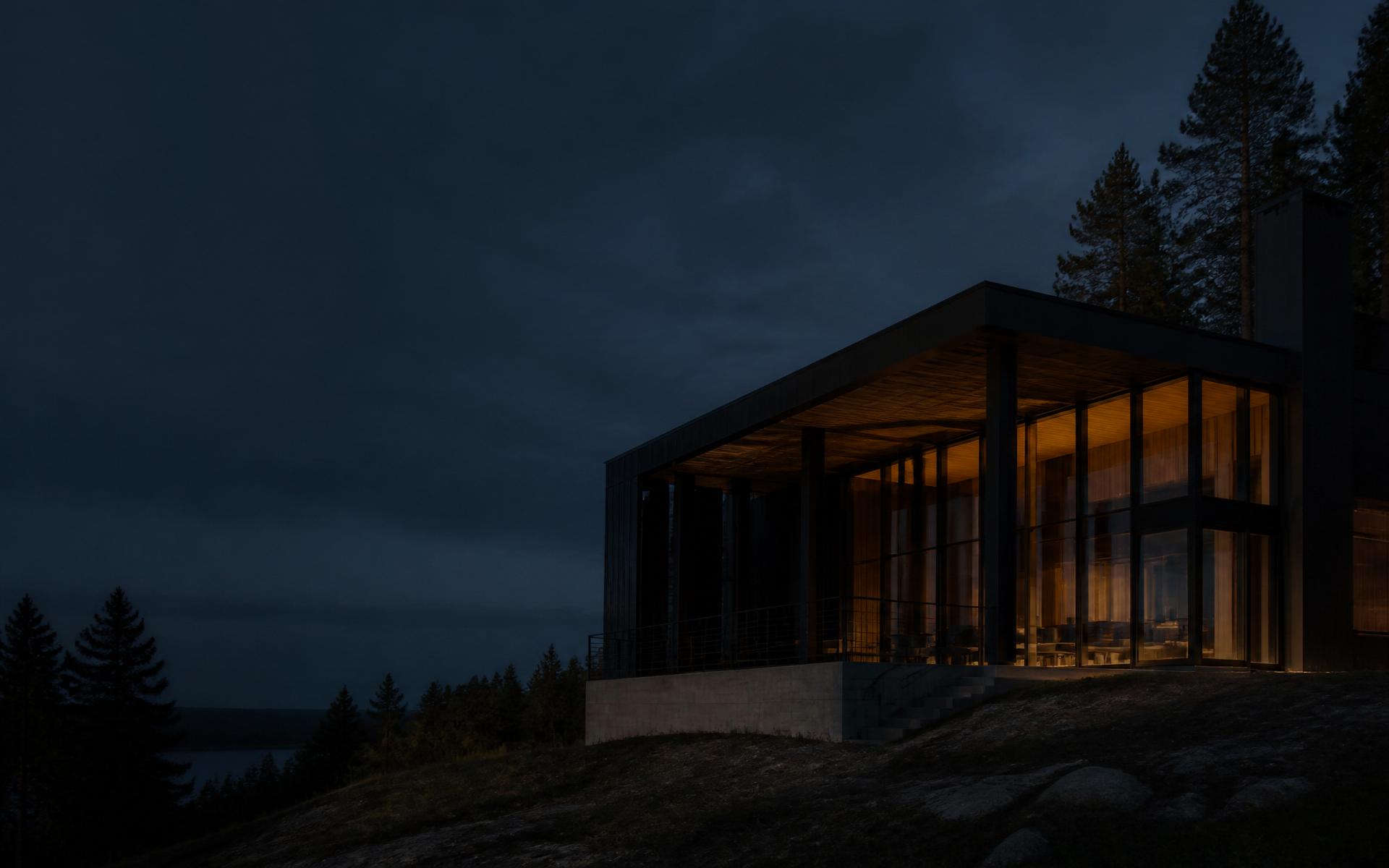
How to choose a real estate photographer is a practical decision, not a contest for the most dramatic image. The photographer's work needs to represent your specific listing accurately, arrive when you need it, and remain consistent from one property to the next. A portfolio tells part of that story. The questions you ask about preparation, delivery, and problem solving tell the rest.
Start by identifying what the listing needs. A small vacant condo may need clear interiors and an exterior that explains the entrance. An acreage property may need a drone pilot, a floor plan, and a plan for weather. A short term rental has a different audience again. Choose a photographer whose process fits the property rather than expecting one standard package to solve every marketing problem.
Read a portfolio like a buyer
Look at a complete listing gallery, not only a highlight reel. The standout kitchen image may be excellent, but a buyer also needs to see bathrooms, secondary bedrooms, entry, and exterior. Ask for examples of homes similar to yours in size, layout, light, and condition. Can you understand the floor plan from the image order? Does the home feel recognizable rather than artificially spacious?
Pay attention to vertical lines, window views, and color. Walls should not lean for no reason. Windows need not show every outdoor detail, but the interior should not become a dark silhouette against a bright patch. White surfaces should generally look like the same material across rooms, without an unexplained shift from blue to orange. These are clues about technical control, not simply editing style.
A consistent gallery is more valuable than one perfect image followed by several weak ones. Move through an entire property's images and ask whether they belong together. Look for detail coverage without endless duplicates. A buyer should be able to understand the setting, circulation, and most important rooms by the end of the set.
Compare ordinary properties, not just showpieces
Every photographer has an easier time with a carefully staged home in perfect light. Ask to see a modest house, a darker room, a compact kitchen, or an overcast exterior. Good work on an ordinary property shows judgment. It can also reveal whether the photographer tries to disguise limitations rather than explain the home clearly.
Compare work from more than one recent listing. If one gallery is crisp and the next is inconsistent, ask who shot and edited each. If a team is involved, find out whether you will receive a similar style when a different person arrives. The goal is predictable quality, not a guarantee that every property will look alike.
Ask how the shoot is planned
A useful photographer asks questions before arriving: What are the property type and access instructions? Is anyone living there? Which features matter? Are there window views, small rooms, or exterior areas that need special attention? Do you need images for a particular platform? The conversation should help shape a shot list, not just produce an appointment time.
Ask for a preparation guide you can share with the seller. A photographer can straighten a chair or adjust a blind, but should not be expected to clean the kitchen, make beds, remove family photos, or move heavy furniture. Clarify who is responsible for pets, vehicles, and access. The home prep guide gives you a room-by-room checklist to discuss in advance.
If the home is not ready, ask how the photographer handles it. Do they proceed with what is available, pause for a small adjustment, or recommend a reschedule? Knowing the policy before the appointment avoids pressure on a seller and keeps expectations realistic.
A few questions worth writing down
Ask who will photograph the home, what media is included, how the images will be selected, and what kind of adjustments are standard. Ask when files will be delivered and whether that date changes for video, tours, or complex edits. Ask how the team handles weather or a missing exterior feature. Request the intended file formats and a clear explanation of where the media can be used.
Listen for specific answers. A confident professional can explain what happens if a room is dark or if the wind prevents a drone flight. An answer that promises every outcome regardless of conditions should invite more questions.
Drone licensing and insurance
A drone can be useful for acreage, large lots, exterior context, and certain videos. In the United States, commercial real estate drone work generally requires an FAA Part 107 certificated remote pilot. Ask who will operate the aircraft and how they verify airspace before the job. A seller's permission to launch from the yard does not override aviation restrictions.
Ask for insurance information when relevant to your brokerage or seller. Understand what is covered and what is not. A responsible pilot may decline a flight because of airspace, weather, nearby people, or site conditions. That is a sign of care, not lack of ambition. The drone photography guide explains airport proximity, mountain weather, and national park restrictions in more detail.
Do not assume that a portfolio with aerial images proves the photographer can legally fly at your address. Conditions and authorization vary by location. A clear ground-level backup is valuable when a flight cannot happen on the planned day.
Turnaround and communication
A listing schedule has several moving parts: cleaning, media capture, seller review, MLS entry, and publication. Ask for a delivery expectation by media type and how it is communicated. Stills may follow a different workflow from video or a 3D model. The important question is whether the date is clear and whether someone tells you promptly if it changes.
Find out how files arrive. A gallery link may be convenient, but you may also need files suitable for MLS, print, or social use. Ask whether the delivered files have sensible names and whether revisions can be requested if something is missing or misidentified. A professional process makes it easy to confirm that the right address received the right assets.
Communication matters most when the plan changes. If snow covers the front walk, the owner cannot access the guest suite, or a storm disrupts the exterior shoot, what happens next? A useful partner can explain options and tradeoffs. Silence until the delivery deadline creates more work for the agent than an early, straightforward update.
Clarify image use
Ask what rights are included for the agent, brokerage, seller, and third-party platforms. Licensing terms can vary. A listing photographer's work may be created for marketing a particular property, not for unrestricted use in future campaigns. If you want to use a frame in a long-term brand advertisement or pass it to another party, discuss that use in advance.
Keep track of who owns each media link and how long it remains active. A hosted tour and a downloadable photo are not the same kind of asset. Confirm how they should be embedded and whether any attribution, branding, or unbranded version is required by the local MLS.
Consistency across listings
Agents who list regularly benefit from a predictable visual standard. That does not mean every home gets identical angles or editing. It means color, exposure, presentation, and delivery feel coherent across different properties. Buyers who encounter several of your listings should find each one easy to browse.
Ask how the photographer adapts to property type. A new-build home might need clean construction lines and amenity context; an older home may depend on careful color and honest detail. A mountain rental needs guest-oriented amenities, not simply a residential gallery with a different title. A flexible process should account for those differences while keeping the quality steady.
It helps to review media after each project. Note which images buyers asked about, which features needed extra explanation, and whether the gallery order supported the showing. Share concrete feedback before the next shoot. The best working relationships improve through specific conversations rather than vague requests to make everything more dramatic.
Match services to the listing
HDR listing photography handles a wide range of interior and exterior conditions when used with restraint. A floor plan helps clarify room relationships. A Matterport 3D tour may help remote buyers navigate a complex home. Video can show movement through space. Aerials provide context for land and surroundings. Virtual staging can illustrate how a vacant room might be used if it is disclosed properly.
Not every listing needs every service. Ask what the photographer would leave out and why. A thoughtful recommendation is often narrower than a full menu. If the property's best feature is a practical layout, a plan and walkthrough might answer more questions than an elaborate exterior film. If the property is vacant land, images of access and terrain may matter more than an interior-style presentation.
For an overview of the formats, see our real estate media and the guide to 3D tours and floor plans. Compare those options with the actual questions your buyers are likely to ask.
Red flags during selection
Be cautious if the portfolio shows only heavily edited hero images and no complete galleries. Ask questions if windows show impossible scenes, rooms appear stretched, or exteriors have been altered beyond recognition. Over-editing can create a mismatch when a buyer visits. Good presentation should make the home legible and appealing without changing its underlying facts.
A vague delivery process is another warning. If no one can identify the photographer, explain the licensing terms, or provide a plan for weather, the project may be harder to manage than expected. For drone work, a refusal to discuss Part 107 status or airspace checks is especially concerning. A promise to fly anywhere on demand is not a reassuring substitute.
Also watch for a photographer who does not ask about the home. A fixed routine can be efficient, but a complex property deserves some planning. The team should know whether there is a separate unit, a privacy restriction, or a view that requires a particular time of day.
Why the lowest quote may create more work
A low initial quote does not tell you whether the listing will be easy to publish. If the gallery misses important rooms, needs extensive revisions, or arrives without the formats you need, the agent may spend additional time repairing the presentation. A poorly planned shoot can also require another visit when the property is already occupied or staged differently.
That does not mean a higher quote guarantees better work. Evaluate the complete service: planning, capture, editing, clear delivery, accurate licensing, and communication. The useful comparison is whether the media answers buyer questions and fits your workflow. Avoid assumptions based on a single number.
Make the decision with a test assignment
If you expect to work with a photographer regularly, start with a listing that has ordinary challenges and a clear deadline. Share a concise brief, prepare the property, and review the result against your goals. Did the photographer communicate before and after the shoot? Did the gallery make sense without you explaining every image? Was the delivery organized and usable?
Give direct feedback about the work rather than seeking a universal style. If a bathroom looks cramped, discuss the angle. If the exterior needs more neighborhood context, say so. A photographer who listens and responds constructively may be a better long-term partner than one whose portfolio happens to match a single beautiful home.
Check service areas for where Summit Visual Studios works, including Loveland, Fort Collins, and nearby communities. If you have a specific property and want to discuss the right combination of media, talk to us. The right photographer should leave you with a clearer plan, not a longer list of unexplained add-ons.