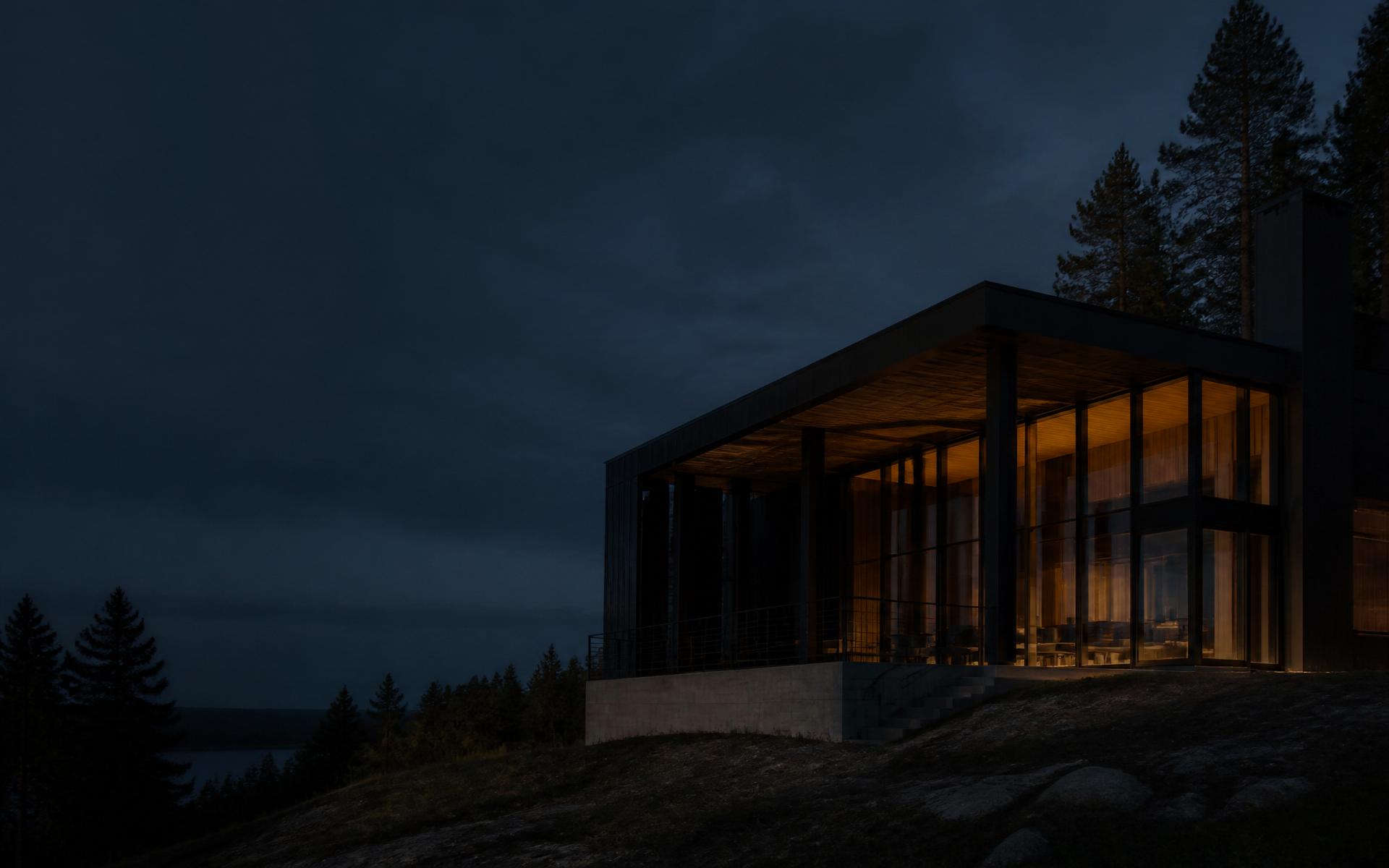
Real estate listing video can answer a question that a photo gallery often leaves open: what does it feel like to move through this home? A camera walking from the entry to the living room can show how the spaces connect. A slower film can reveal the relationship between interior finishes and an outdoor setting. A short vertical cut can put one useful feature in front of someone who would not open a full tour. These are different jobs, so they need different plans.
Start with the property rather than a preset video length. Identify the route a visitor would naturally take, the feature worth pausing on, and the moment when an exterior view gives context. Then decide where the video will be used. A listing portal, YouTube, and a vertical social feed do not present the same frame or invite the same attention. Planning those uses before the shoot gives the editor footage that actually fits.
Choose the right real estate listing video format
A walkthrough prioritizes orientation. It moves through rooms in a logical order and gives viewers time to understand doors, openings, and transitions. It works well when the layout is a selling point or when buyers are relocating. A cinematic film prioritizes mood and design. It may use more selective angles, varied pacing, and music to convey the experience of being there. It still needs enough structure to show a home, not merely a collection of attractive surfaces.
Vertical social cuts are shorter selections designed for a narrow screen. They might show the kitchen opening onto the deck, a strong front-to-back axis, or one distinctive amenity. A vertical crop of a wide film often cuts off the subject, so capture some footage with vertical use in mind. Do not assume that one export serves every platform equally well.
These formats can complement each other. The walkthrough can live with the listing, the longer film can be shared through a dedicated link, and the social cut can introduce the property on Instagram or TikTok. If only one format is needed, choose the one that answers the most important buyer question rather than the one that sounds most elaborate. See our real estate media for the formats available.
Walkthrough: follow a plausible visit
Begin where a buyer would arrive. Show the entry and main living area before moving into side rooms. If the kitchen connects to the patio, keep that transition visible. If there are stairs, make it clear when the camera changes floors. A viewer should be able to pause the video and still know roughly where they are.
Steady motion and considered framing matter more than constant movement. A simple forward path can be useful, but a rushed glide through every room gives viewers little time to look. Include enough wide coverage to orient them, then a detail where it supports the story. Do not make a small room look like a large one by moving the camera so quickly that scale becomes impossible to judge.
Cinematic film: give the property a sequence
A cinematic listing video can start with context, reveal the approach, move through the strongest rooms, and end where the property leaves a lasting impression. A Colorado home with a mountain-facing deck may build toward the exterior. An urban home may begin with street presence and move toward a quiet interior. The sequence should reflect the actual property, not force every listing into the same shot list.
A film can be selective, but it should not conceal important limitations. Use listing photographs and a floor plan to provide the detail the film cannot. If the video suggests a continuous path between rooms, check that the route really exists. An edit can make disconnected spaces seem adjacent if shots are placed carelessly.
Plan shots for real estate listing video
Walk the property before recording. Note the strongest sightlines and obstacles. A wide view of a kitchen may look better from the dining area than from the doorway. A patio reveal may require the interior doors to be opened. Mirrors, glass, and reflective appliances can reveal the camera operator or equipment, so plan a route that avoids those reflections.
Create a small shot list by purpose: establish the house, show the main route, explain significant connections, capture distinctive details, and close with context. For a property on acreage, an aerial establishing image can help situate outbuildings and access. For a compact townhouse, exterior context and a clean interior walkthrough may be more valuable than a sweeping drone sequence.
Preparation supports motion even more than it supports stills. A camera passing through a room may see clutter from several angles. Clear counters, close drawers, straighten textiles, and move vehicles before filming. Keep pets and people out of the path unless an intentional on-camera segment is planned. Use the home preparation checklist before the crew arrives.
Show transitions, not just destinations
A buyer can already see a polished kitchen in a still. Video should answer how that kitchen relates to the living area, breakfast space, and yard. Show doorways and changes in level. On a split-level home, identify the route between floors rather than cutting from one room to another with no orientation.
Think about the property as a sequence of decisions. The viewer wants to know where they would set down a bag, gather with friends, work, and step outside. You do not have to narrate those activities. A thoughtful path can imply them without staged actors or scripted claims.
Pacing and music: keep viewers oriented
A listing film needs enough time on each shot for the viewer to understand what is being shown. Fast cuts can create energy but obscure the floor plan. Extremely long moves can make a short property feel repetitive. Balance matters more than a universal timing rule. Watch the edit once without sound and see whether the house still makes sense.
Music should support rather than overpower. Consider the property's setting and the audience, but avoid tracks that distract from the images or clash with an agent's voice. Confirm that the music is licensed for the intended use, including social platforms, paid promotion, and the agent's own channels if those are planned. A track available inside one platform's editing tool may not be cleared for reuse elsewhere.
Sound from the location may add texture when it is clean: a door opening, footsteps, or a quiet outdoor moment. It may also bring unwanted traffic, wind, or equipment noise. Do not rely on location audio unless it serves a purpose. If an agent speaks on camera, prioritize intelligibility over background music.
Watch the ending
A video should finish after it has completed a thought. Ending immediately after a fast sequence of close-ups can leave a viewer unsure what home they just saw. A final wide frame of the property, outdoor space, or agent contact context can provide closure. The listing address and identity of the property should be clear wherever the platform permits them, without cluttering the whole film with text.
A useful final review question is simple: can someone who has never been inside describe the main living spaces after watching? If not, the film may need one more orienting shot and one fewer decorative detail.
Agent on camera: helpful presence, not a forced performance
An agent can add value by explaining a feature that video cannot make obvious. A short introduction can state what the property offers and who might appreciate the layout, without exaggerating or reciting the listing description. A useful on-camera moment might show why a flexible room is practical or point out the access from living room to yard.
Speak in sentences you would use at a showing. Avoid memorizing a long script word for word. Record a few short takes, look toward the camera when addressing the viewer, and leave a brief pause before and after each answer for editing. Clothing should suit the property and remain distinct from the background. If sound conditions are poor, move to a quieter spot rather than trying to rescue every word later.
An agent does not need to appear in every video. If a seller values privacy or the agent is uncomfortable on camera, a property-led film is valid. For agents who want to build recognition beyond a single listing, the personal brand content guide explains how to separate property media from evergreen agent content.
Prepare talking points, not claims you cannot support
Before recording, agree on accurate facts that matter. Confirm which improvements are completed, what is included in the sale, and how any nearby amenity should be described. Do not guess at square footage, school assignment, future development, or a view from a room that the camera does not show. An unscripted delivery can still be precise.
If the video will include voiceover, write it after choosing the footage. That helps the words support what viewers actually see. It also reduces the temptation to narrate every room as the camera passes it.
Where each video version belongs
MLS rules on video links, branding, and unbranded media can vary. Check the local MLS requirements before uploading a film or linking to a hosted page. A full property film can be useful on a site or YouTube, where viewers can pause and watch at their own pace. A short vertical cut fits Instagram Reels and TikTok, where the first frame needs to make sense before someone turns on sound.
Do not assume that a social feed is the same as a listing page. A social clip may introduce the setting or one remarkable feature and invite a viewer to find the listing. The listing itself needs comprehensive, navigable media. The YouTube description or social caption should accurately identify the property and send people to the correct current listing, not an outdated page.
Test each version on a phone. Text that seems readable on a large monitor may disappear on a small screen. Platform interfaces cover edges and lower portions of a vertical video. Keep essential details out of those crowded areas, and make sure the opening image still communicates the property when cropped.
Drone and indoor FPV in a listing film
Aerial footage can establish where a home sits on its lot or how a driveway approaches it. It should lead to a coherent ground-level story, not replace one. FAA rules, airspace, weather, and property conditions govern whether a drone can fly. Read the Colorado drone guide before making an aerial sequence a required part of a campaign.
An indoor FPV flythrough is a planned continuous route filmed with a small drone. It can reveal movement from entry to outdoor space in a distinctive way. It is not appropriate for every home. Tight spaces, fragile objects, pets, and people require careful planning. The smoother the route, the easier it is to understand the property; speed and acrobatics can make a room harder to read.
Ground-based camera movement is often the right alternative. A stable walkthrough can capture the same transitions with fewer constraints. Pick the method based on the house and the question the video needs to answer.
A review checklist before publishing
Watch the full edit without sound, then with sound. Can you place each room in the home? Do exposure and colors feel consistent from shot to shot? Are any reflections, signs, license plates, or personal objects visible that should not be public? Is the music usable on every intended channel? Confirm that images, text, and spoken claims match the current condition of the property.
If the edit includes virtual staging, rendered spaces, or altered twilight, check local MLS disclosure rules. Avoid blending rendered and documentary footage so seamlessly that a viewer cannot tell what exists. When a home changes after filming, consider whether the film remains accurate enough to publish.
Finally, share the video where it helps someone decide on a visit. Strong listing video gives context and confidence. It should never make the property harder to understand for the sake of motion. For a property-specific plan across our service areas, talk to us.