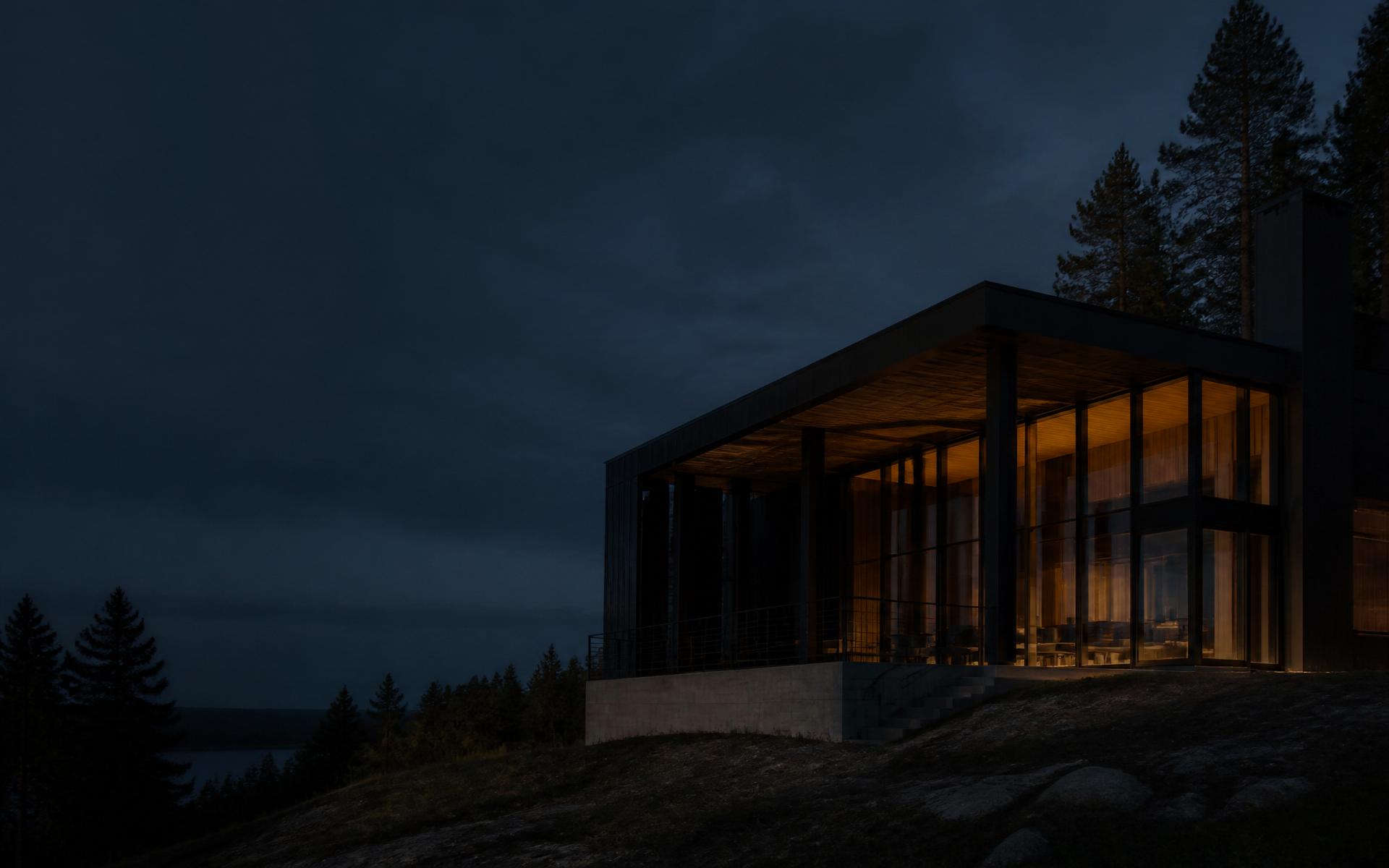
Real estate photography in Northern Colorado starts with a question: what will a buyer understand about this home before deciding whether to visit? A clear gallery should answer questions about space, light, condition, setting, and the way rooms connect. It should not ask the viewer to guess what is beyond the edge of each frame. That is true for a Loveland bungalow, a Fort Collins townhouse, a Windsor new build, or a cabin near Estes Park.
The goal is not to make every property look the same. It is to show the particular property clearly and attractively. Before scheduling a shoot, walk through the home as someone unfamiliar with it would. Notice where you pause, what the windows reveal, and which features are difficult to explain with words alone.
What professional real estate photography includes
A useful listing gallery begins with the exterior that helps a buyer identify the home, then moves through the main living areas in a sensible order. Kitchen, primary suite, bathrooms, secondary rooms, outdoor space, and distinctive features follow. The exact sequence depends on the property. If the back deck is the strongest reason to visit, it may deserve an early place in the gallery.
Professional coverage is more than a set of wide angles. Straight vertical lines keep walls from appearing to lean. Consistent white balance prevents one room from looking orange and the next blue. Good framing shows enough context to locate the viewer within the house without stretching a small room into something it is not. A second angle is useful when it reveals a connection or feature, not simply because more photos are available.
Ask your photographer which rooms and exterior views are included. Discuss the hero image before the shoot. A facade may work well for an established neighborhood; a view through the great room may be more compelling for a mountain home. For the wider set of formats available, see our real estate media.
Build a gallery in walking order
Imagine entering the front door. Can you tell where the kitchen sits in relation to the living room? Is there a frame that shows the route to the patio? Does the primary bedroom have a view worth showing? This mental walk reveals gaps that a list of rooms can miss. It also helps the photographer choose the few frames that make the listing legible instead of repeating similar corners.
A simple shot plan can name essential rooms, exterior angles, and any feature the seller cares about. Share access instructions and identify spaces that are not part of the listing. If a room will be used for storage during the shoot, agree on that beforehand so the rest of the home can be ready when the camera arrives.
How HDR real estate photography handles light
HDR means high dynamic range. The camera records different exposures so detail can be retained in a bright window and a darker room. Those exposures are combined in editing. Used with restraint, the result looks like a balanced version of what a person could take in while standing there. It does not need unnaturally bright corners or an electric-blue sky to be effective.
Windows are often the hardest part of a Colorado interior. A room may have dark cabinetry and a sunlit mountain view in the same scene. A single exposure can lose either the interior or the view. HDR helps hold both, but it cannot turn a cloudy view into a sunny one or make a north-facing room feel south-facing. Honest light makes the images more useful when a buyer arrives in person.
Ask how reflections, mixed lamp colors, and strong sunlight will be handled. Turn on working lights and make bulb colors consistent where possible, but let the photographer decide whether those fixtures help a particular composition. Clean glass matters just as much as camera technique when a view is a selling point.
Orientation changes the schedule
A west-facing living room can be lovely late in the day and harsh when direct sun cuts across the floor. An east-facing kitchen may have its best light in the morning. On a floor plan or a quick walk outside, identify the direction of important windows. Then ask what time gives the most even coverage. An occupied property, access restrictions, and the weather may narrow the choices, so prioritize the rooms that carry the listing.
If the facade sits in shadow at the planned appointment, a different opening photo may be stronger than forcing the exterior to lead. For a home with windows facing the Front Range, discuss whether the view can be seen clearly at the same time as the room. Window glare and haze can shift through the day even when the sky looks clear.
Planning real estate photography across Front Range seasons
Northern Colorado changes quickly between seasons. In spring, lawns may still be dormant while trees are beginning to leaf out. Summer brings deeper shade and more outdoor living. Fall color can frame a home beautifully but leaves on a patio can make it look untended. Winter offers clean mountain outlines, while snow can hide walkways, parking, or yard boundaries.
Seasonal planning is practical, not cosmetic. Clear paths in winter and show usable outdoor areas. In summer, remove hoses and check whether irrigation will leave wet concrete just before a shoot. In fall, clear leaves from steps and deck furniture. If exterior conditions are poor, discuss whether an interior-led opening sequence is more truthful and useful than a compromised front elevation.
For mountain-view properties, ask whether the view is actually visible from the home or only from the yard. Aerial imagery can establish the landscape, but it should not imply a sightline from a window that does not exist. A buyer who travels to see the property should recognize the scene from the gallery.
Weather is part of the brief
Overcast light can be excellent for interiors and less useful for a listing whose appeal is a distant ridge. Wind affects drone plans; snow affects access and exterior presentation. Check the forecast, but leave room for a judgment call close to the appointment. If the property needs both interior work and mountain context, one weather condition may not serve every image equally well.
Virtual twilight can suggest an evening presentation when a separately captured twilight frame is not possible. It should not alter the structure or imply exterior features that are absent. When editing changes how a property appears, check the applicable local MLS rules on disclosure before publishing.
What buyers need from real estate photography online
A search results page compresses a home into a thumbnail, a location, and a small set of facts. The first image needs a clear subject at that size. Large dark foregrounds, tiny houses surrounded by sky, and confusing detail shots can lose meaning when reduced. After opening the listing, a buyer wants a coherent tour. They should be able to distinguish a second bedroom from a second angle of the first.
Useful images answer practical questions. Can a dining table fit in the room? How does the backyard connect to the house? Is the garage attached? Is the workspace separate from a bedroom? A detail image of a fixture can add character, but it should not displace a needed wide view. The photo order should move from orientation toward features, not jump randomly between floors.
Review the gallery on a phone before publishing. Look at it without reading the description. Note where you feel lost. If the home has an unusual plan, a floor plan and 3D tour can resolve uncertainty better than another dozen still images.
Combining real estate photography, video, drone and 3D
Each format answers a different question. Still photos let buyers stop and examine finishes. A walkthrough video shows transitions and pace. Drone photographs can explain lot shape, access, and surroundings. A 3D tour lets someone navigate at their own speed. A floor plan offers the overview needed to interpret all of them.
Do not add formats merely to fill a package. On a compact, straightforward home, strong stills and a floor plan may communicate the essentials. On acreage, aerial views can clarify distance to outbuildings and the approach to the home. For a remote buyer, a 3D tour can help decide whether the layout merits an in-person trip. For a home with strong movement from indoor living to a deck, listing video can do work stills cannot.
The formats should agree. If the lead photo shows a wide open lawn but the drone view reveals a recently installed fence, viewers may wonder which is current. Shoot and edit within a coherent timeframe when possible. If substantial work is planned after photography, decide whether to wait rather than mix different states of the property.
Decide what earns attention first
An agent can choose media order around a likely buyer question. An infill property may need the street and parking early. A home marketed for outdoor living may lead with patio access. A large property may benefit from a brief aerial establishing shot before a walkthrough. The objective is understanding, not a fixed formula. Write down the three things a buyer should remember after viewing the listing and check whether the media actually demonstrates them.
How Northern Colorado markets differ
Loveland has established neighborhoods, access to open space, and a mix of older homes and newer construction. A home near Lake Loveland or with a view toward Devil's Backbone may need context as well as interiors. In Fort Collins, an Old Town property, a home near CSU, and one closer to Horsetooth can speak to different routines. The images should show the property's real relationship to those places rather than imply proximity without evidence.
Greeley listings can range from historic downtown homes to newer subdivisions. Windsor has new construction and communities such as Water Valley where exterior setting may matter. Longmont includes Main Street-area homes and properties oriented toward the St. Vrain corridor. None of these markets calls for one universal photo order. Identify what is specific about the property and use that to choose the first few frames.
For Estes Park and other mountain towns, access, views, and weather often become central. A steep driveway or seasonal deck should not disappear from the story. If the property is a rental, guest-facing amenities may call for a different sequence than a home for sale. Explore the short term rental photography guide for that distinction.
See the local pages for Loveland, Fort Collins, Greeley, Windsor, and Longmont if you are planning a shoot in one of those markets. The full service area list covers more towns.
A practical real estate photography shoot plan
Before the appointment, confirm access, occupied rooms, pets, and any exterior restrictions. Put away personal documents and objects that should not appear in public photos. Agree on whether the photographer should call before arriving. Ask the seller to finish cleaning before the camera is set up rather than trying to work around an active cleanup.
At the property, point out features the listing description will emphasize. Then leave room for the photographer to adjust the shot plan based on light and what the lens actually sees. After delivery, inspect the images for accuracy as well as appeal. Check that a rendered feature has not been mistaken for a completed one, that the room order makes sense, and that the best image works as a small thumbnail.
The strongest media plan is the one a buyer can navigate without help. A clear set of photos, supported by video or spatial tools when they add something real, gives people enough confidence to take the next step. If you want to discuss which formats suit a particular property, talk to us.